Skip Bag Rental Fees
Skip bags are a convenient solution for waste disposal during renovation, gardening, or any sort of cleanup project. However, the rental fees can add up quickly if you're not careful. In this guide, we'll explore effective ways to avoid skip bag rental fees, helping you save money while efficiently managing your waste.
Understanding Skip Bag Rental
Skip bags are large, durable bags used for collecting waste that can be picked up and disposed of by waste management companies. These bags can be an ideal choice for smaller projects where a full-sized skip is impractical. Typically, you would rent these bags from a service provider, and fees would include both the rental cost and the cost for waste disposal.

Why Skip Bag Rental Fees Add Up
Multiple factors contribute to high skip bag rental fees:
- Rental Duration: The longer you keep the skip bag, the more you pay.
- Pickup Frequency: Frequent pickups or expedited services usually come at a premium.
- Type of Waste: Certain types of waste may incur additional fees.
- Over-Filling: Overloading the bag could result in extra charges.
How to Avoid Skip Bag Rental Fees
Choose Alternatives to Skip Bags
One of the simplest ways to avoid skip bag rental fees is to seek out alternatives:
- Local Recycling Centers: Most municipalities have local recycling centers where you can drop off certain types of waste for free.
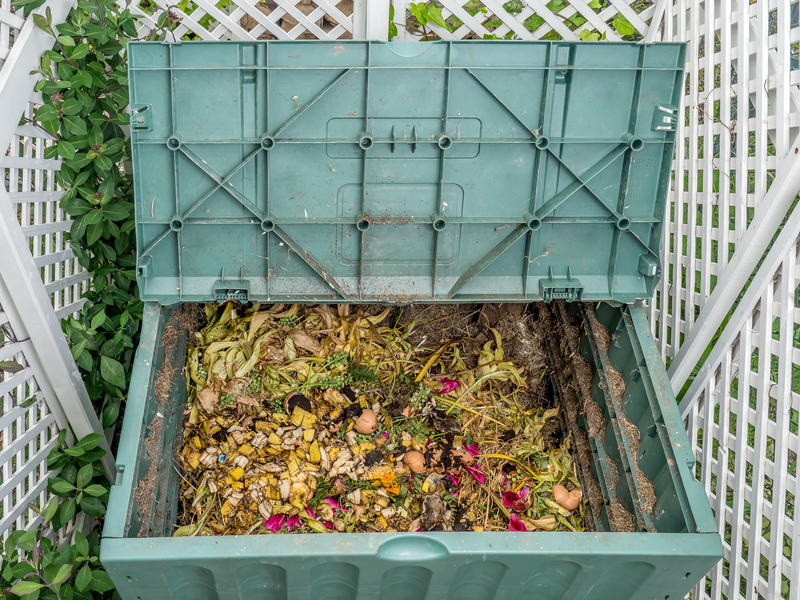
- Composting: Organic waste from gardening can be composted, reducing your need for a skip bag.
- Selling or Donating: Items like furniture or appliances can be sold or donated instead of being discarded.
Maximize the Usage of a Single Bag
If using a skip bag is unavoidable, ensure you get the most out of it:
- Efficient Packing: Break down larger items to make better use of the bag's capacity.
- Avoid Prohibited Materials: Follow the provider's guidelines on what materials are allowed to avoid extra charges.
- Minimize Rental Duration: Plan your project so that the bag can be filled quickly, minimizing how long you need to rent it.
Negotiate with Providers
Negotiation can go a long way in reducing costs. When renting skip bags:
- Package Deals: Ask if there are discounts for renting multiple bags at once.
- Fixed Rate: See if you can negotiate a fixed rate instead of a variable one based on duration or weight.
- Loyalty Discounts: If you're a frequent user, inquire about loyalty programs or discounts.
Pros and Cons of Skip Bags
Understanding the pros and cons can help you make a better decision.
Pros
- Convenience: Easy to use and can be placed almost anywhere.
- Scalable Size: Available in various sizes to suit different needs.
- Delivery and Collection: Typically includes delivery and pick-up.
Cons
- Cost: Rental fees can escalate quickly.
- Limited Weight: May not be suitable for heavy waste.
- Space: Takes up space while the project is ongoing.
Tips for Managing Skip Bag Costs
- Plan Ahead: Carefully plan your project timeline to minimize rental duration.
- Monitor Usage: Keep track of how full the bag is to avoid overfilling.
- Compare Prices: Always compare rental rates from different providers.
- Understand Policies: Read the fine print to understand any potential hidden fees.
Takeaways
- Plan Project Timelines: Effective planning can significantly cut costs.
- Explore Alternatives: Utilize local recycling centers, composting, or selling/donating to minimize waste that needs disposal.
- Negotiate and Calculate: Negotiating with providers and understanding all potential fees can lead to significant savings.
Conclusion
Skip bags can be a practical solution for waste disposal, but the rental fees can quickly add up if not managed properly. By understanding the factors that contribute to these fees and exploring alternative methods, you can significantly reduce or even avoid these costs altogether. Effective planning, negotiation, and efficient use of resources are key strategies that can help you keep your project within budget while responsibly managing waste.